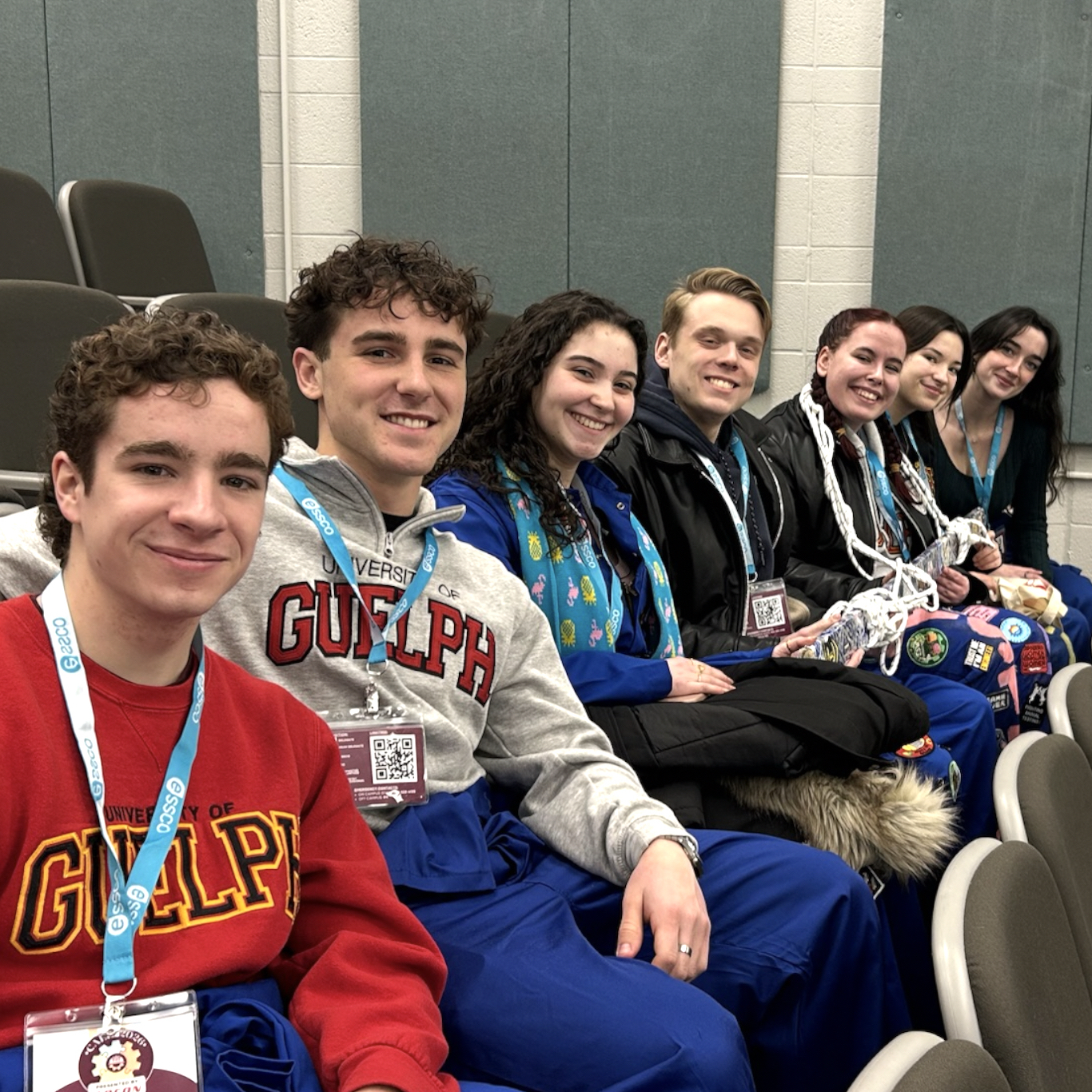
My Experience at CALE 2026
Musings on why you should eat your leafy greens, I think.
FEBRUARY 9, 2026
Introduction
This past weekend, I had the pleasure of attending CALE 2026: the Conference on Advocacy and Leadership in Engineering, hosted by McMaster University. At the conference, I had the chance to meet a ton of cool people, and hang out with my awesome friends I already knew.
Thursday
When we arrived at the campus on Thursday, we immediately got to chatting with a bunch of cool people. Shoutout to Laurentian University’s delegates who we adopted over the weekend—or maybe it was the other way around—and the delegates from Conestoga College, who were my wonderful roommates.
While there were many fun parts of the conference, my main goal was to learn about what it means to be a leader, and how I can be a better one. I took many bits of information away from the conference, and want to share some of what I learned.
Friday
On Friday, the first session I attended was titled Leadership: What Does It Really Mean? and was hosted by Ontario’s Deputy Minister of Sport, Keith Palmer.
For me, this was an incredible way to start the conference. Palmer gave one of the best presentations I listened to this weekend, and he didn’t even have a slide deck. The key takeaway was that your leadership style has to be “multifaceted,” and must adjust based on the context, and who you are talking to. There is a time and place for the autocratic, democratic, and laissez-faire leadership styles.
There were many other points which were important, like how being a leader is about taking action, and that you need to “lead by a positive example” instead of just “leading by example,” or how it is also important to understand how your voice as a leader can have an impact, and that you need to think outside the box.
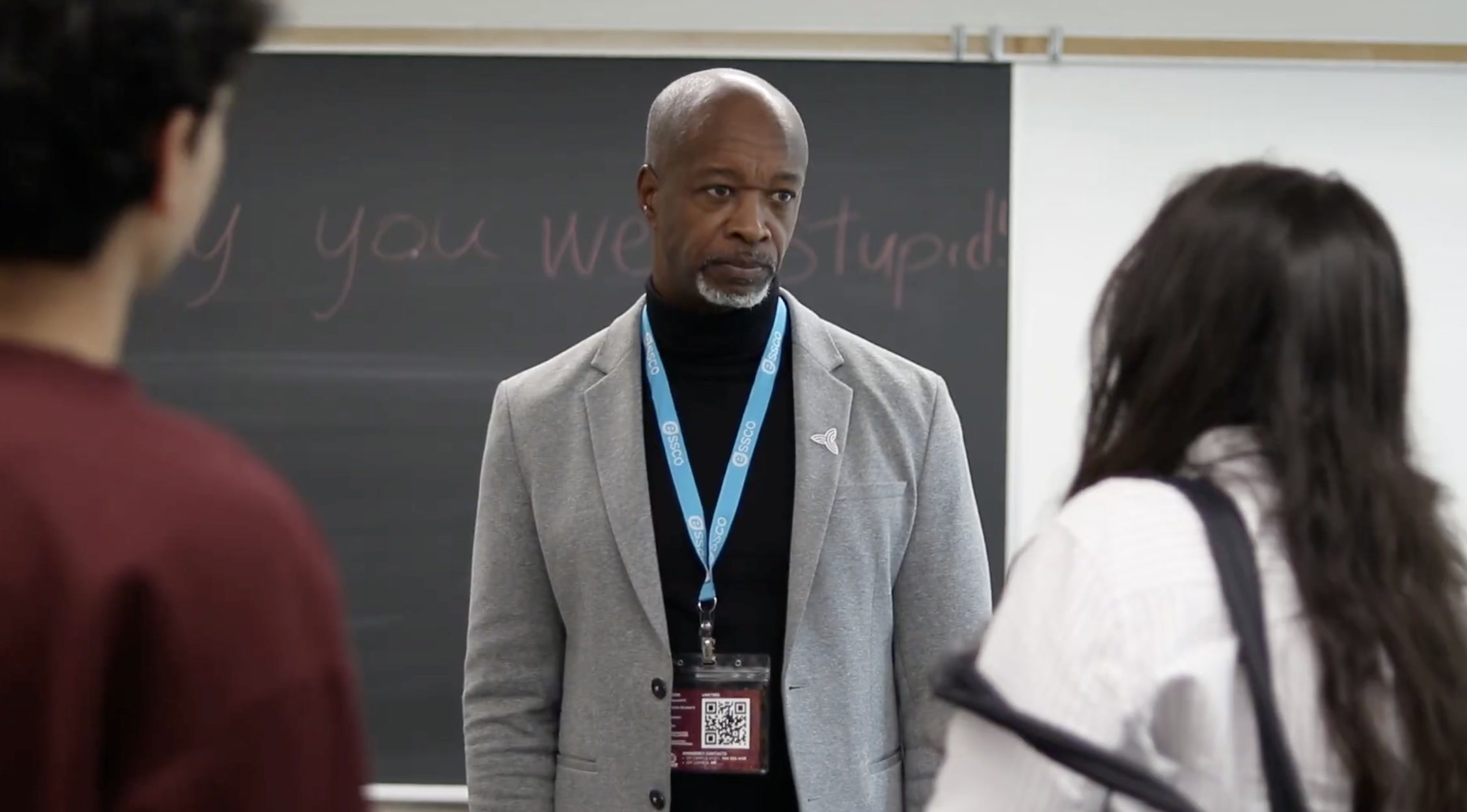
Keith Palmer having discussions with students after his session.
In between the sessions on Friday, I got to visit the Canadian Centre for Electron Microscopy. That was really cool. Some of the other Guelph delegates got to visit the McMaster Nuclear Reactor. I heard that it breaks the light barrier and because of this, it emits light, but it has to be 10 metres down, and you’ll never believe what colour glow it emits. Those who know, or… something.
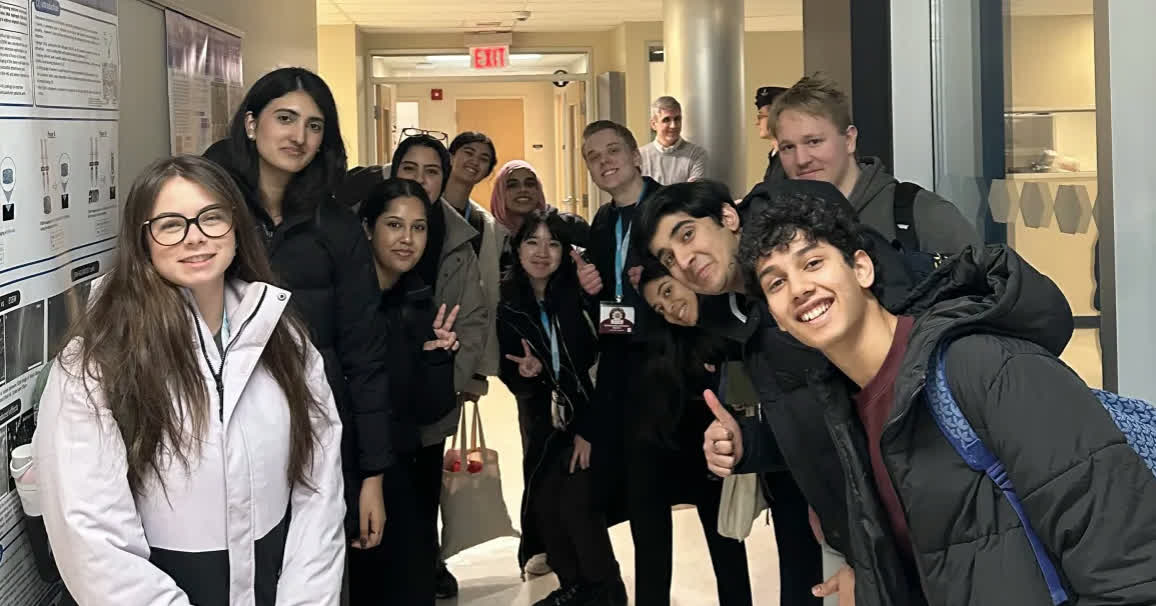
Me and the rest of the group after touring the CCEM.
That same night, we attended the social event. For those who might be interested, McMaster’s TwelvEighty has $15 pitchers of Pabst Blue Ribbon. Do with that information what you will. I think I saw three to five different people lick the stick that night. I was going to until other people did. I’ll get there one day.
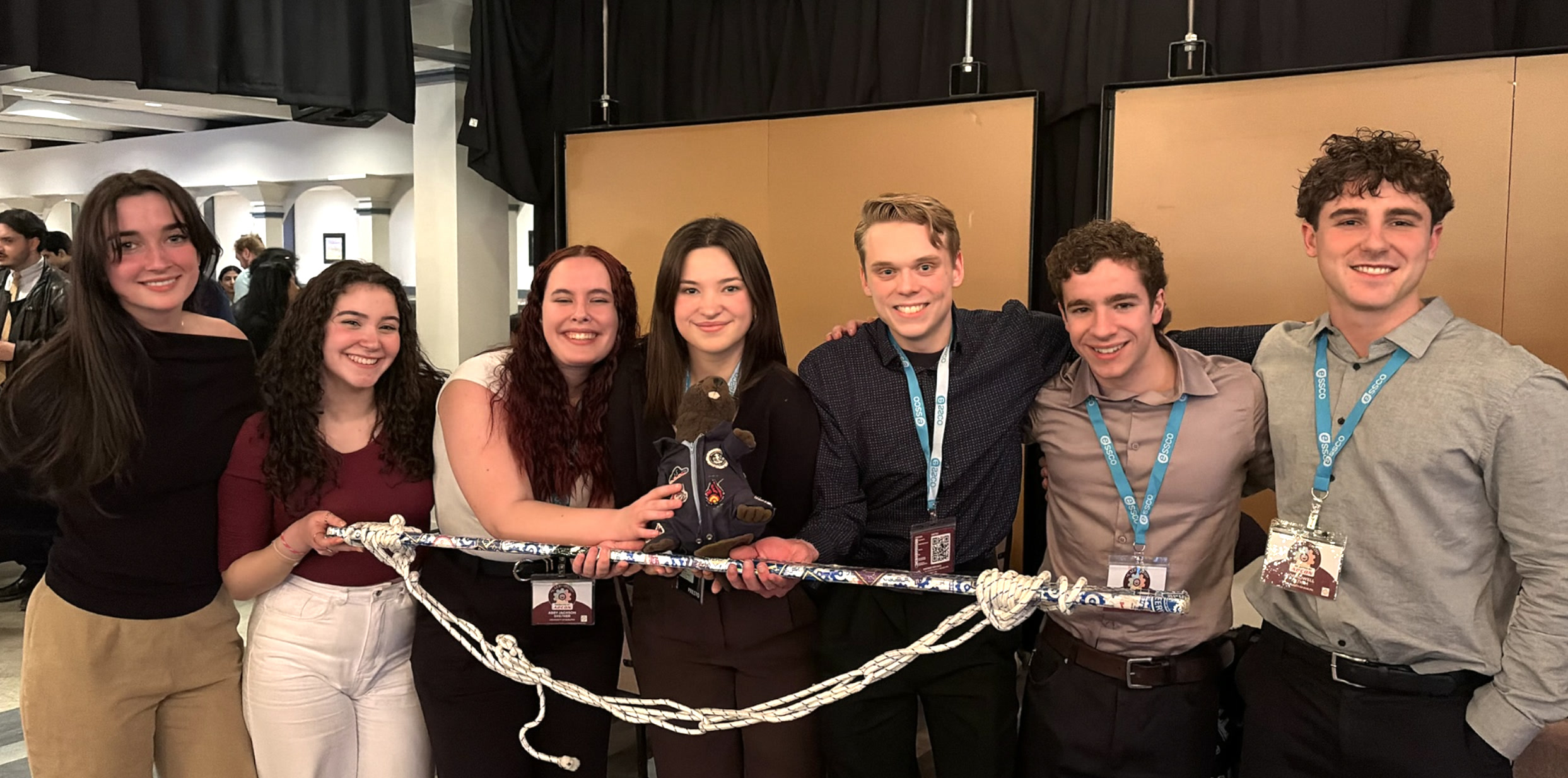
Guelph's delegates at the Friday social event. We stole Windsor's mascot, and nobody stole our mascot: the stick!
Saturday
On Saturday, I attended the How to be a “Champion” Mentor session hosted by Sarah Cushnie, a 6th-year Materials and Biomedical Engineering student from McMaster.
This was also a really engaging session. It is one thing to be a good leader, but it’s a whole other skill to be a great mentor as well. You have to be active in your mentorship and invest in the progress of the people that you care about. Advocate for your people, and don’t be passive in your duties.
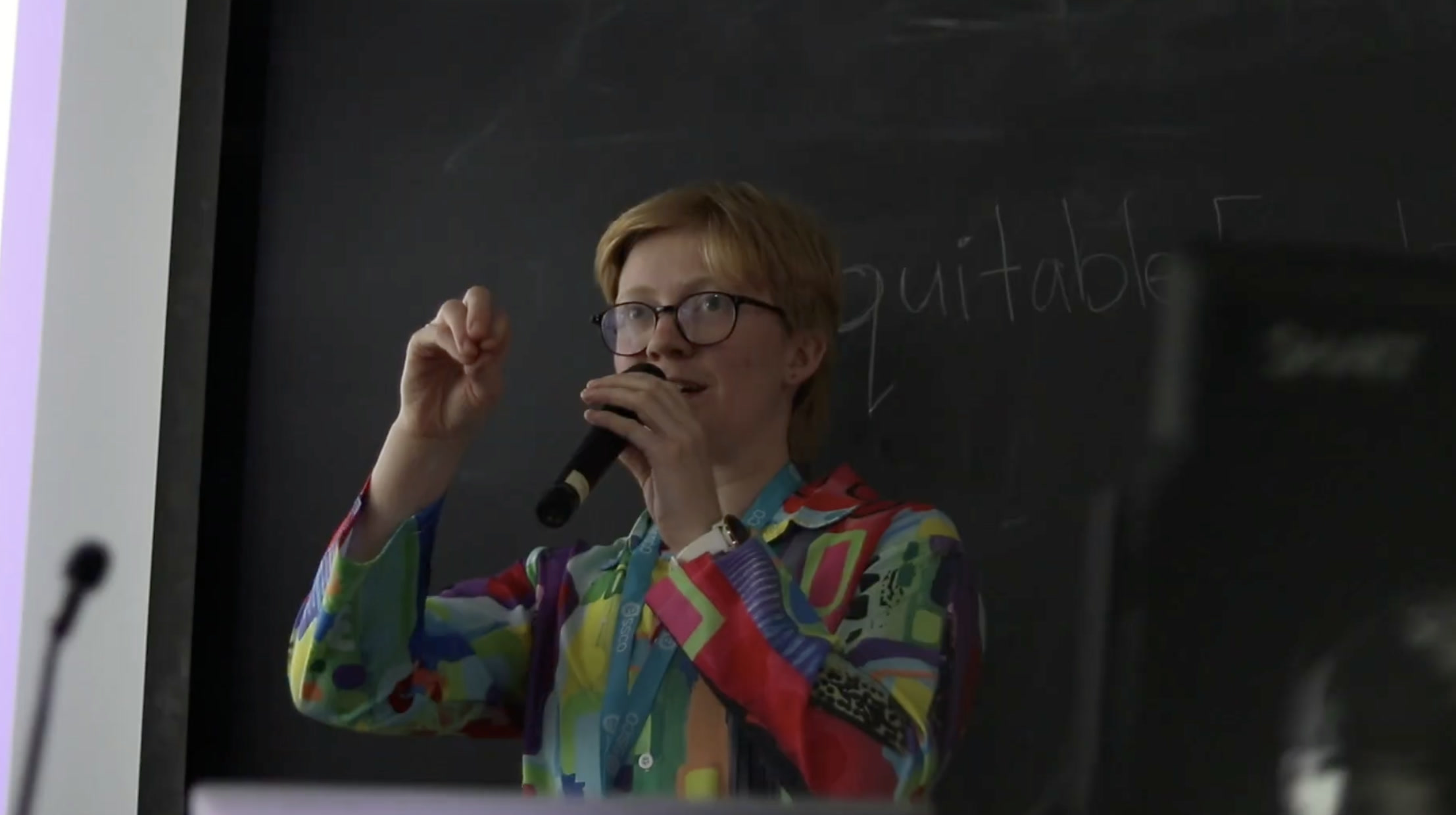
Sarah Cushnie speaking at her session.
Sunday
Finally, on Sunday, I went to one of the shortest sessions, which ended up being one of my favourites. This session was called How to Communicate Technical Ideas, hosted by Kayla Benson, and it is exactly what it sounds like.
Did you know the average attention span is 8.25 seconds? I thought it was shorter, to be honest. The point is, though, that in those 8.25 seconds, you cannot bore potential investors, your boss, or executives, with technical concepts right off the bat. You have to get them interested in what you’re pitching and have them decide that they want to stick around in those first few seconds.
Most engineering ideas don’t fail because they suck, but because they’re not presented well. You need to tell the audience who your idea is for, what it fixes, and what the future looks like, and why it is better with your product in it.
And on Sunday, we said goodbye to the people we met along the way before going to Pita N More for lunch, which was incredible by the way. Thank you to whoever it was that recommended it. After that pit stop, we made our way back down to Guelph.
So what?
So what’s the point of all of this? If you ask me, this is the point of engineering. Maybe not specifically conferences, but something that lets you learn, grow, meet new people, and do things you’ve never done before. The point is not just to get high marks, but to develop the skills you will use in the real world.
Get involved in extracurriculars. Meet new people. Maybe even attend a conference. Whatever it is you decide to do, make sure you’re getting out there. Be your best self.